Exterior routes
Look at the whole boundary
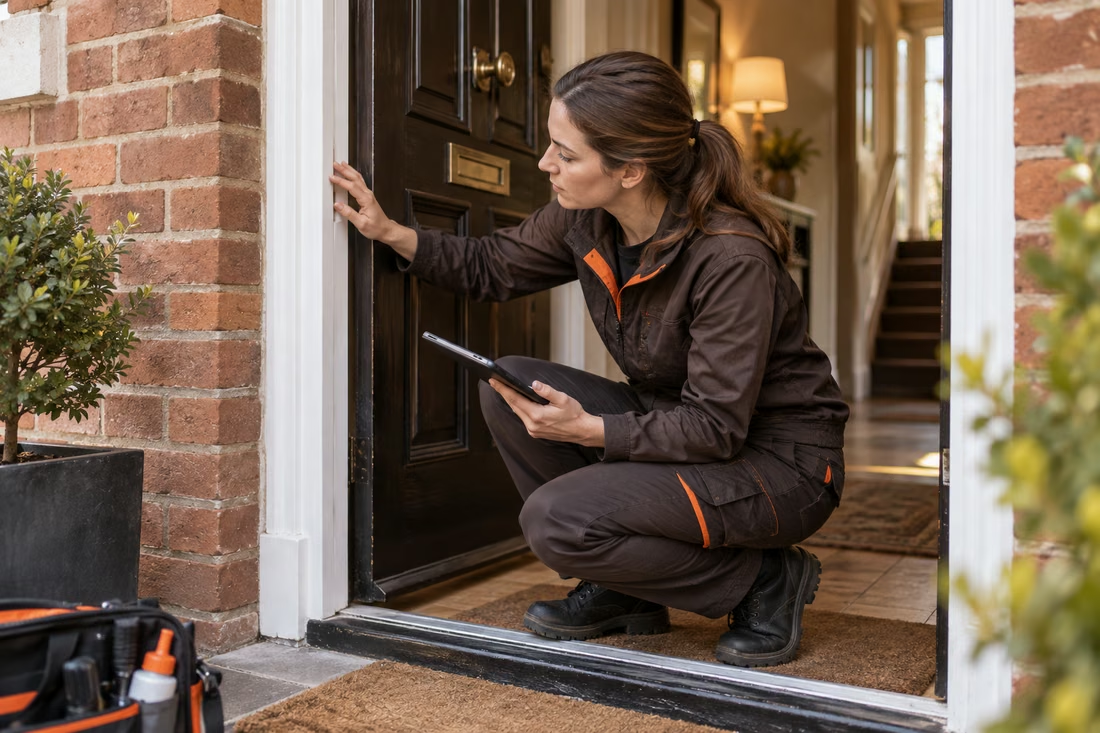
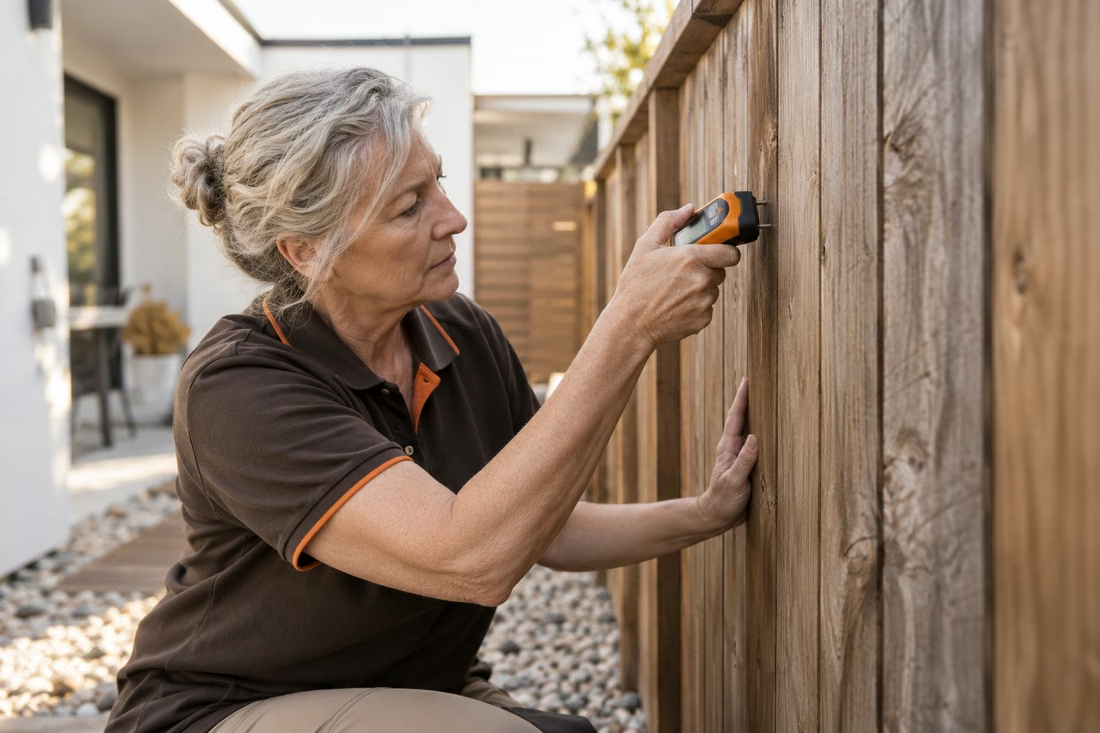
Describe doors, vents and service openings around the building. A provider can assess access routes and the sequence of any exclusion work.
Discuss this detail
Explore rodent inspection, entry-point exclusion and monitoring with a clearer idea of what to ask.
A useful assessment looks at more than the visitor. Shelter, access routes and food sources all help inform an independent provider’s plan.
Know what to ask.
Compare independent options.
 Rodent control
Record the room and time you notice activity.
Keep a clear photo and note the location, timing and frequency. Describe changes without disturbing the area.
 Rodent control
Mention accessible gaps near pipes or thresholds.
Tell the provider which spaces are affected, how the pattern has changed and any previous actions taken.
Rodent controlDescribe storage areas and visible damage to packaging.
Ask how the area will be assessed, what access is needed and how the findings will be explained.
Rodent controlRecord the room and time you notice activity.
Keep a clear photo and note the location, timing and frequency. Describe changes without disturbing the area.
Rodent controlMention accessible gaps near pipes or thresholds.
Tell the provider which spaces are affected, how the pattern has changed and any previous actions taken.
Rodent controlDescribe storage areas and visible damage to packaging.
Ask how the area will be assessed, what access is needed and how the findings will be explained.


A provider should assess the activity and access routes before deciding the sequence of work.
The location, frequency and timing of signs, accessible gaps and any previous actions are useful starting points.
Compare the inspection scope, exclusion work, monitoring, access precautions and follow-up terms.
Describe doors, vents and service openings around the building. A provider can assess access routes and the sequence of any exclusion work.
Discuss this detail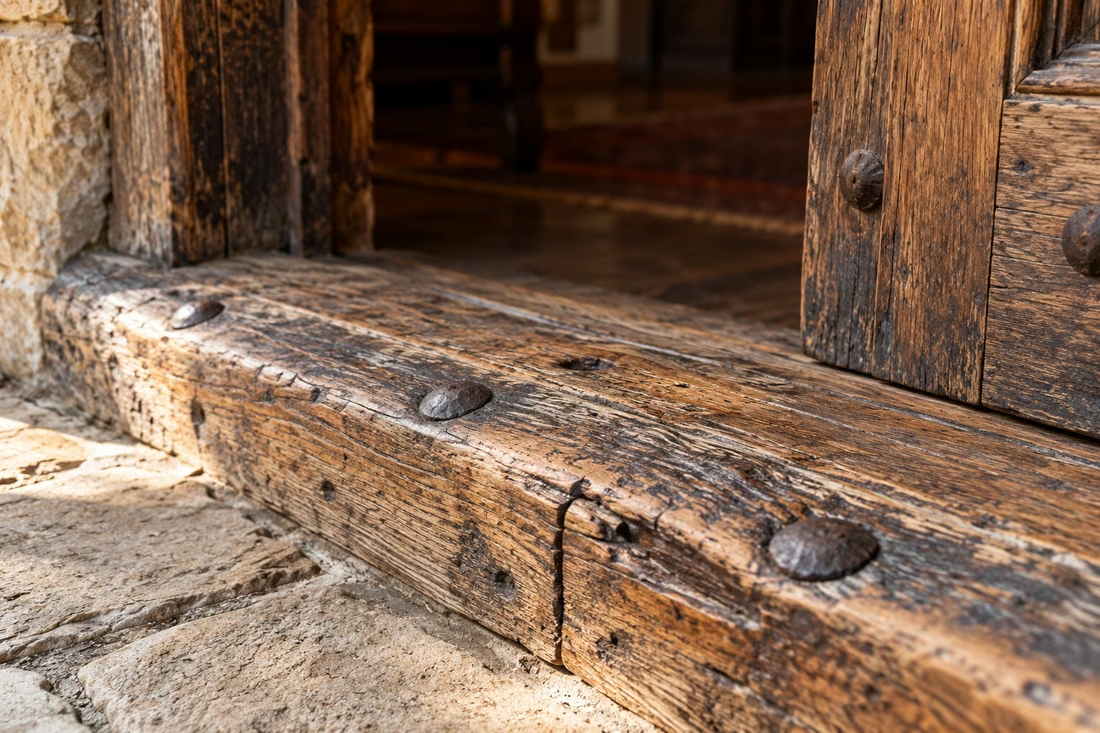
Share photographs of accessible gaps and note changes over time. Ask how the proposed materials preserve ventilation and access to utilities.
Discuss this detailSix useful details to clarify with an independent provider.
How will the suspected pest be assessed?
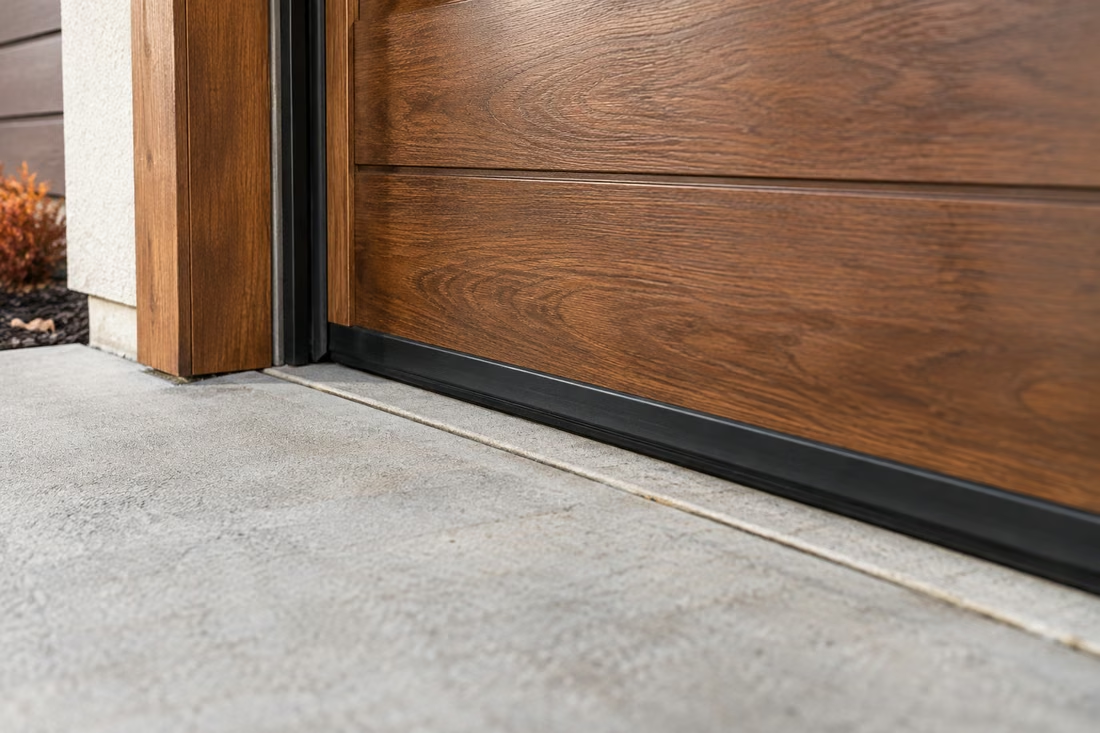
Which spaces are included and which cannot be checked?
What needs to happen before the appointment?
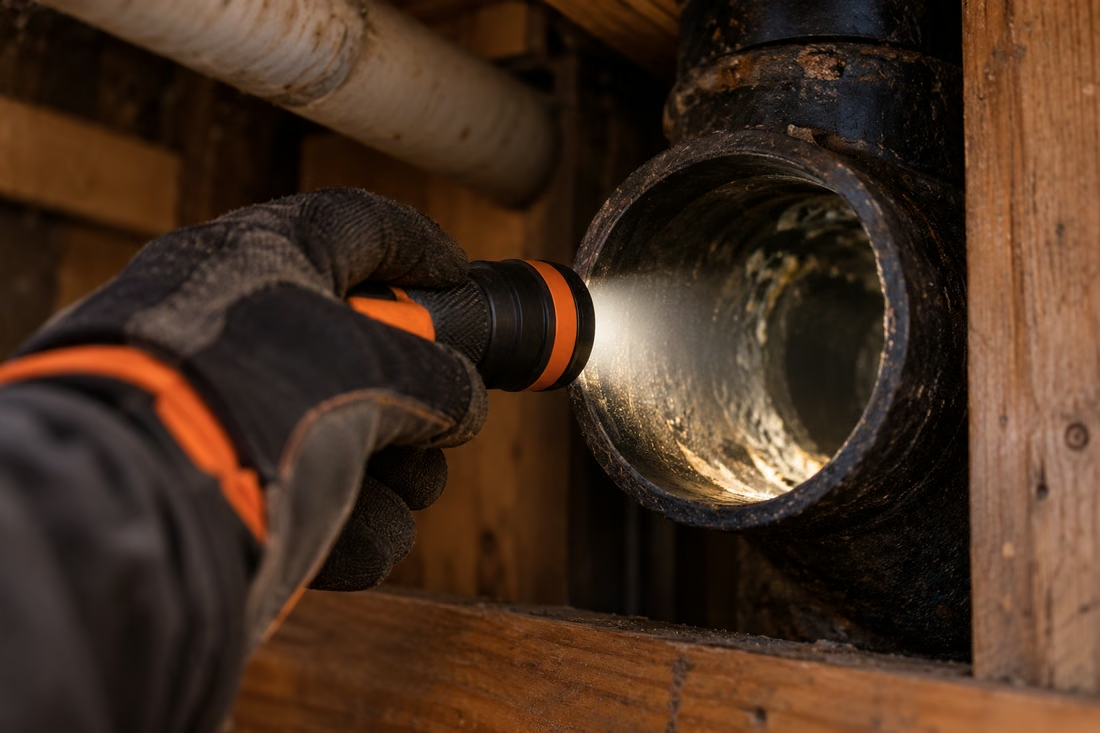
Why is this approach proposed for this property?
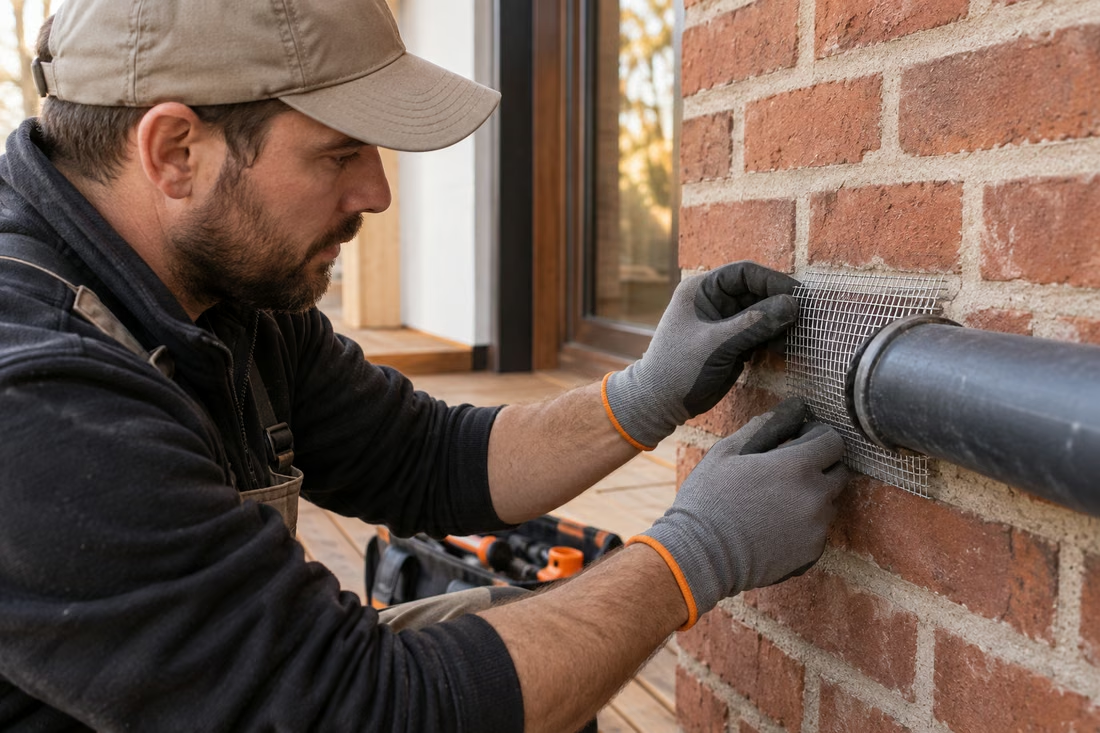
What is included in the scope and total cost?
When are findings reviewed and who can you contact?
Confirm the areas to be assessed and how the findings are recorded. Ask about access limitations before a visit.
Discuss why the proposed approach suits the identified pest and conditions. Ask about preparation and access instructions.
Clarify how activity will be monitored and when the provider will reassess the plan. Keep the contact details with your records.