
Food storage
Look at the pattern
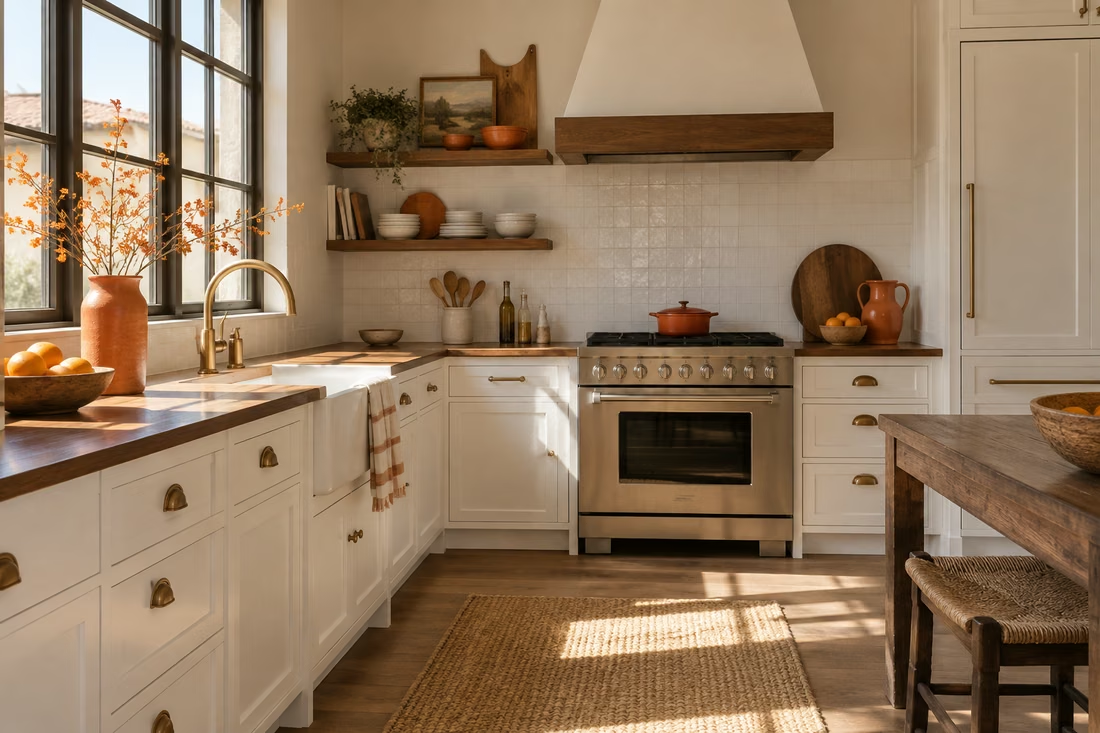
Loose packaging, crumbs and quiet shelves can provide useful context. Record the cupboard and the time of sightings. Ask how food storage should be prepared before any proposed work.
Discuss this detail
From pantry trails to quiet kitchen corners, understand household pest activity before choosing your next step.
A sighting is a starting point. The room, the pattern and the conditions around it all help an independent specialist understand the concern.
Know what to ask.
Compare independent options.
 Household pests
Note repeated sightings near cabinets, warmth or food.
Keep a clear photo and note the location, timing and frequency. Describe changes without disturbing the area.
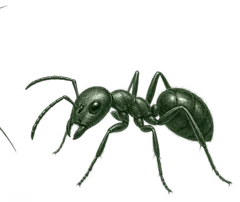 Household pests
Record where a trail starts and the rooms it reaches.
Tell the provider which spaces are affected, how the pattern has changed and any previous actions taken.
Household pestsCheck accessible corners without disturbing suspected nesting.
Ask how the area will be assessed, what access is needed and how the findings will be explained.
Household pestsNote repeated sightings near cabinets, warmth or food.
Keep a clear photo and note the location, timing and frequency. Describe changes without disturbing the area.
Household pestsRecord where a trail starts and the rooms it reaches.
Tell the provider which spaces are affected, how the pattern has changed and any previous actions taken.
Household pestsCheck accessible corners without disturbing suspected nesting.
Ask how the area will be assessed, what access is needed and how the findings will be explained.
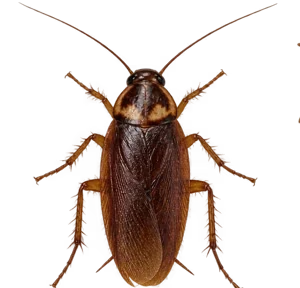
Yes. Describe what you saw and where. A provider can explain whether an inspection is appropriate.
Wait for the provider’s preparation instructions. Requirements vary by method and the affected space.
Ask the provider what signs they will review and when. There is no single schedule for every pest or property.
Loose packaging, crumbs and quiet shelves can provide useful context. Record the cupboard and the time of sightings. Ask how food storage should be prepared before any proposed work.
Discuss this detail
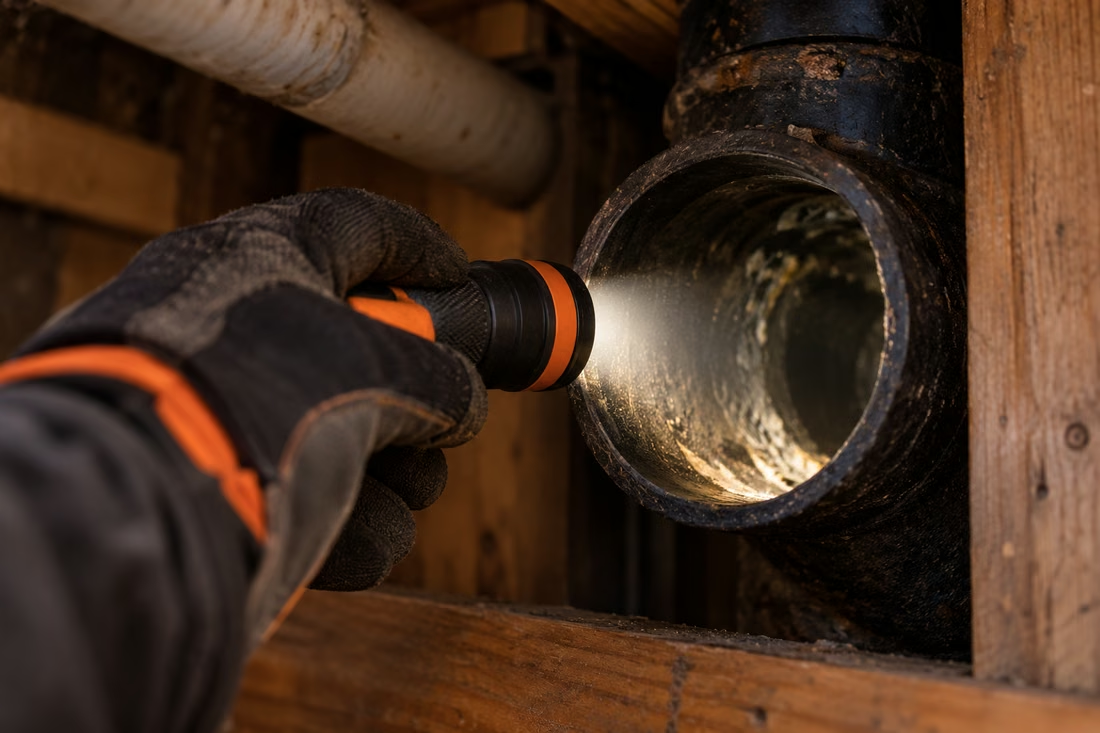
Tell the provider about recurring activity near plumbing or appliances. Avoid moving heavy equipment yourself. A clear description helps define an appropriate inspection.
Discuss this detailSix useful details to clarify with an independent provider.
How will the suspected pest be assessed?

Which spaces are included and which cannot be checked?
What needs to happen before the appointment?
Why is this approach proposed for this property?
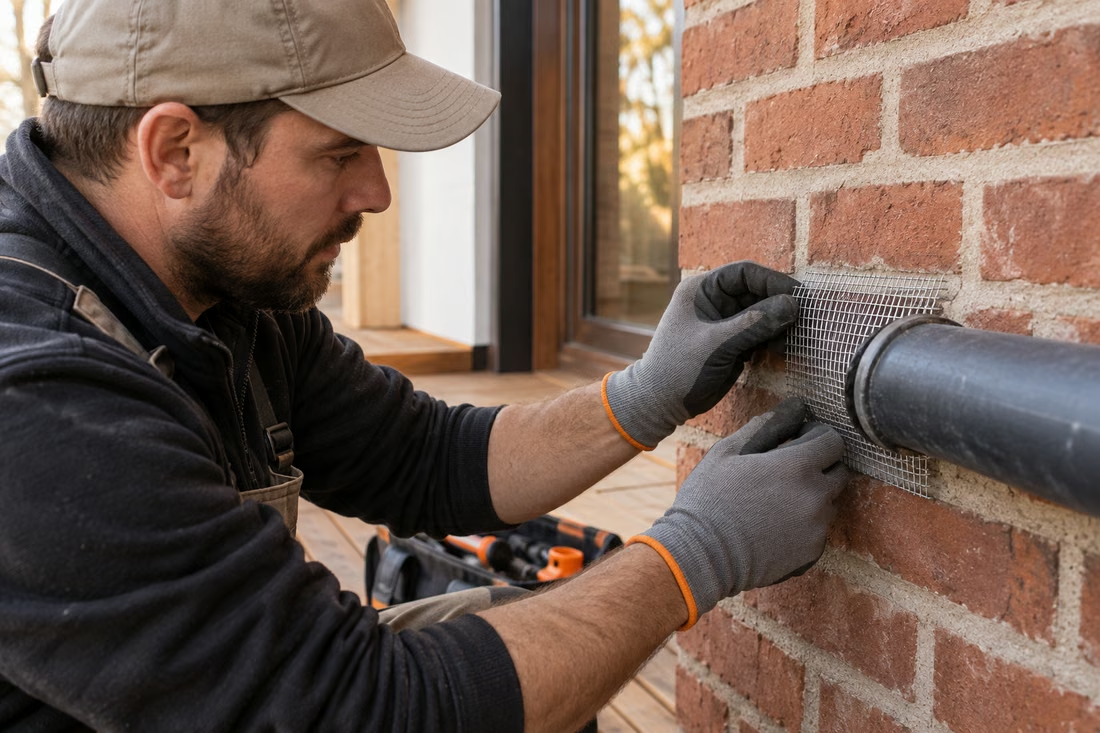
What is included in the scope and total cost?
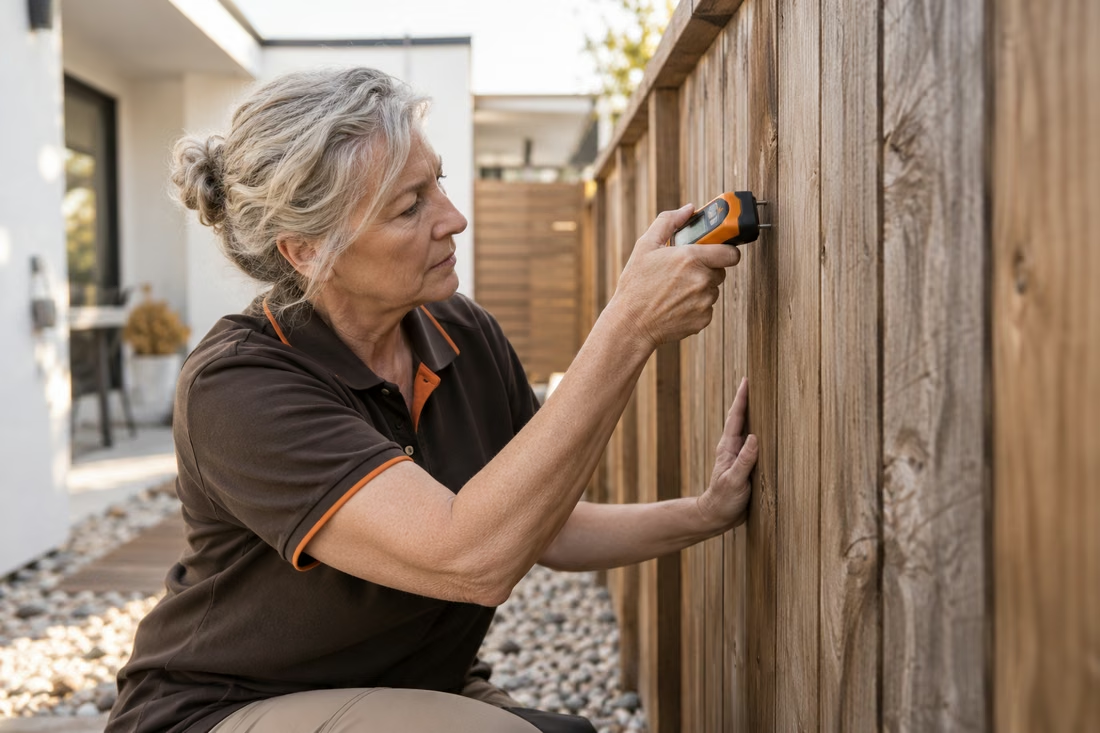
When are findings reviewed and who can you contact?
Discuss each stage with the provider you choose.
Record the visible signs and their location. Keep your observations simple and specific.
Ask what will be inspected and how findings and access limitations are documented.
Review the proposed approach, scope and preparation before agreeing to work.
Clarify what to monitor and when the provider recommends a follow-up.